
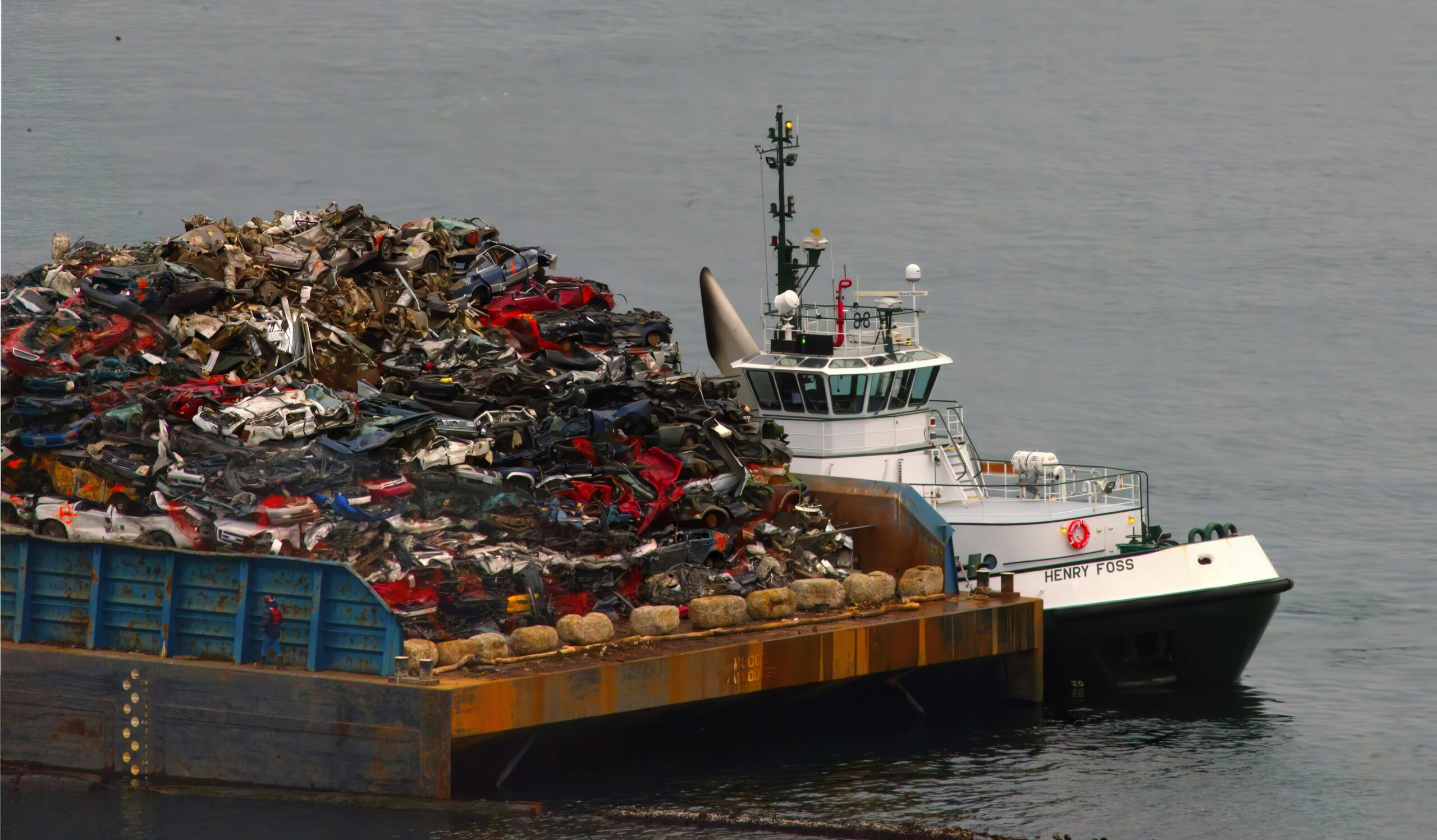
The responsibility of the coastal States may be non- existent in areas beyond their jurisdiction or it may be only to assist by saving lives without any interest in preserving the ship or its cargo. There is no general duty to save property at sea. Thus, historically, assistance was most likely to come from other passing ships, or from ships prepared to leave the safety of the port and willing to risk severe weather conditions in order to assist stricken vessels.
In order to facilitate and encourage this practice public policy has been developed encouraging assistance to endangered vessels. This public policy consisted of three elements. It was recognised:
(a) that such assistance entitles the salvors of the property to a salvage reward,
(b) that the right to a salvage reward arises at the time of rendering assistance irrespective of any contract and
(c) that this right is protected by a maritime claim of the highest priority, the salvage lien, and a right to arrest the salved property by an action in rem.
The liability to pay the reward is incurred by the owners of the salved property in proportion to the relative values of their property. Therefore, the liability will not only attach to the shipowner but also to the cargo owners whose cargo was saved from danger.
Problems also arise between the salvor and the shipowner. Clearly the recognition of a right to a salvage reward does not by itself resolve the manner in which the operation should be performed, the respective obligations of the salvor and the salved property, the place and the time when the property or the ship are to be redelivered to their owner or the provision of financial security to the salvor who is also worried that cargo owners may resist the payment of salvage reward. Moreover, negotiating the salvage reward cannot be made, in a situation of danger, at arm’s length. For these reasons specialised salvage contracts providing solutions to the practical difficulties and setting out clearly the obligations of the parties, while leaving aside the determination of the salvage reward, have been developed.
During the last 40 years, marine pollution from shipping incidents has made salvage operations crucial not only for the preservation of property at sea but also for the protection of the marine environment. However, it soon became clear that under the traditional salvage arrangement if no property was salved the salvor would not be able to get any reward, despite the fact that it could have made a significant effort to prevent marine pollution, thus benefiting the owners and users of coastal resources and reducing the liability exposure of the shipowner.
As a response, contacts were modified to enable the salvor recover his expenses under the “No Cure–No Pay” principle. In addition, the Comité Maritime International (CMI) with the encouragement of the International Maritime Organization (IMO), salvors and the International Group of P&I Clubs started the process of reviewing pre-existing salvage law40 and eventually developed the Montreal Draft Convention which provided for the foundations of the International Salvage Convention 1989 (hereinafter the “Salvage Convention”).
The Salvage Convention significantly modified the reward scheme for salvage.

Add comment