
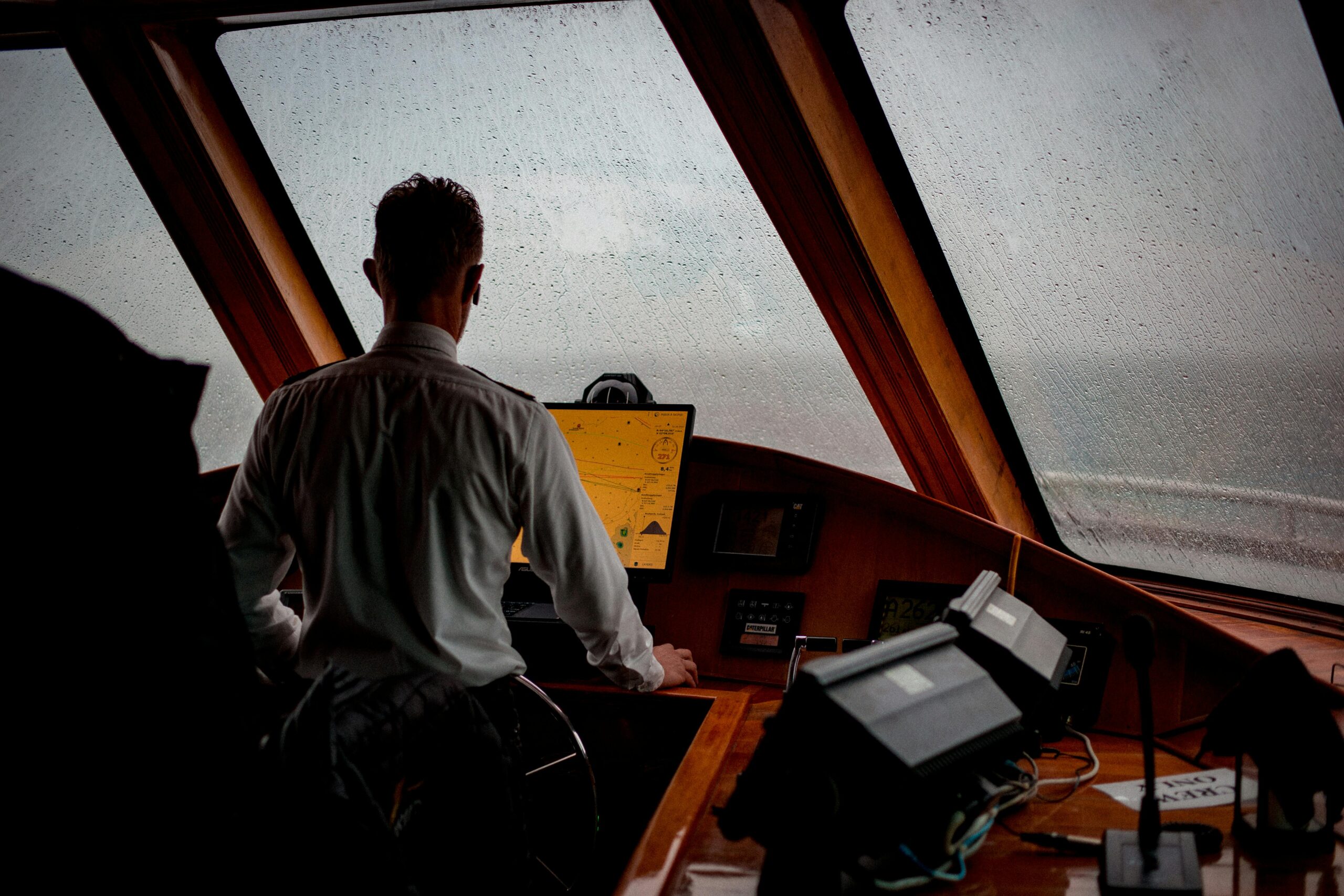
Where a ship which is under the command of a pilot causes damage the question can be raised as to who would be responsible for the damage. The pilot himself, the owner, as well as the authorising harbour authority have to be considered.
Liability of the Pilot
Pilots are liable for acts or omissions which cause “loss, destruction or serious damage” or “personal injury or death” only where they act deliberately or under the influence of drugs or drink, or their act or omission amounts to a breach or neglect of duty. In such circumstances fines and prison sentences may be imposed upon pilots.
Liability of the Harbour Authority
The harbour authority is not liable just because it has authorised a pilot whose acts or omissions have caused damage. Fault by the competent harbour authority itself must be demonstrated. Arguably the fault of the competent harbour authority may be based most probably on a breach of its statutory duties.
Pilots usually have a contractual arrangement, normally a contract of employment with the harbour authority. The question then arises whether the negligence of the pilot imposes vicarious liability on the employing harbour authority, or on the ship owner or on both.
In respect of non- compulsory pilotage vicarious liability cannot arise for the harbour authority simply because it does not exercise any statutory power. The owner can employ any adviser he wishes to assist with the ship’s navigation. Only where the ship owner requests an appropriately qualified pilot and later it is revealed that the pilot’s licence was granted or remained in force in breach of a duty of the licensing authority, liability could potentially arise but not as vicarious liability in respect of the pilot’s actions or omissions.
The situation is different when the ship suffers or causes damage while under the command of a compulsory pilot. There is an argument then to be made that vicarious liability for damage to third parties may not attach to the shipowner but to the authority imposing the pilot on the shipowner. Moreover, in such a case it may also be argued that any damage to the property of the licensing authority caused by the pilot’s negligence should not be recoverable and additionally the shipowner may be able to recover against the harbour authority.
In view of the argument in the above paragraph, the House of Lords in The Esso Bernicia case stated that no vicarious liability attaches to the general employer of a pilot for two reasons;
- First, because the pilot navigates the ship as a principal, not as a servant of his general employer, and
- Because the Pilotage Act at the time stated that “The fact that a ship is being navigated in an area and in circumstances in which pilotage is compulsory for it shall not affect any liability of the owner or master of the ship for any loss or damage caused by the ship or by the manner in which it is navigated”.
Shipowner’s Vicarious Liability
The liability of the owner and the master of the ship is not affected in any way for “any loss or damage caused by the ship or by the manner in which it is navigated.
The establishment of limitation rights for pilots and competent harbour authorities does not affect the right of the shipowner or others to limit liability.

Add comment