
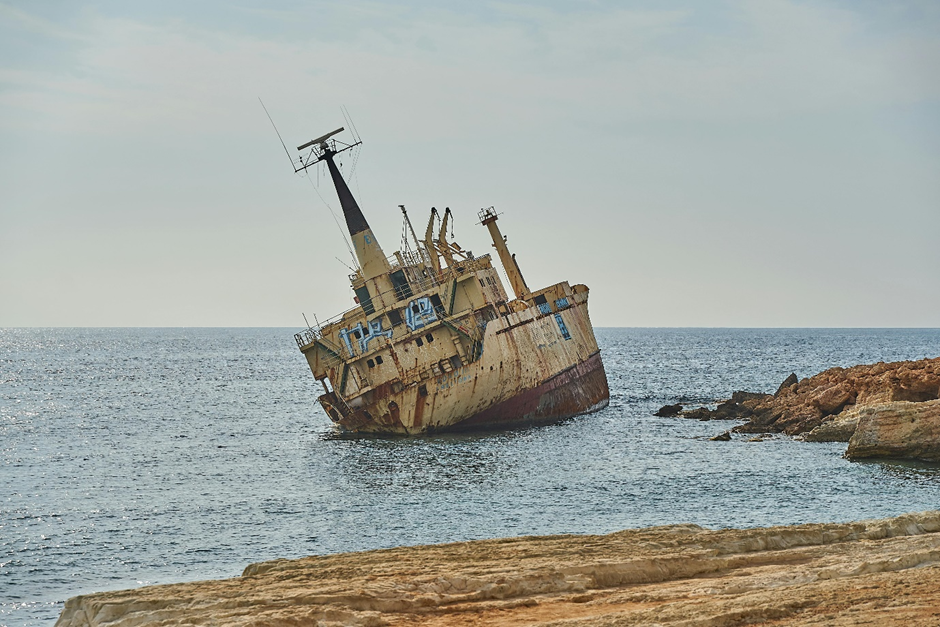
A total loss of a vessel occurs when the cost of repairs exceeds the value of the vessel.
The owner, who could reasonably have had his vessel repaired, is entitled to the full amount of repairs, even if it exceeds the value of the vessel. He would only be entitled to this value if his calculation had been unreasonable.
The value for which the ship has been insured is only an indication, and the courts should not be satisfied with it.
A shipowner who is unable to replace his vessel immediately loses any profits he might have made; he is entitled to compensation for the immobilization indemnity, which derives from the same principle.
Civil liability indemnities have only a recourse function. Thus, when the shipowner of the lost vessel claims the loss of freight with contracts already signed, only net freight should be taken into account, as gross freight takes into account expenses that the charterer has not incurred.



Add comment